There are few things worse than waking at 2am with a tooth throbbing in time with your pulse. You can't sleep, you can't concentrate, and painkillers seem to take the edge off for an hour before it comes right back.
If you're in that position right now, here's what to do — in order — plus how to tell whether this can wait until morning or needs a dentist tonight.
First: signs you need emergency care immediately
Most toothaches can wait a few hours for a clinic to open. Some cannot. Go to an emergency dentist or hospital right away if you have any of the following:
- Swelling spreading to your cheek, jaw, eye, or neck
- Difficulty swallowing, breathing, or opening your mouth
- Fever together with facial swelling
- Swelling under the tongue or in the floor of the mouth
- Pain that is rapidly worsening despite painkillers
- A tooth knocked out or broken by trauma
- Bleeding that won't stop
These can indicate a spreading dental infection. A tooth infection that moves into the surrounding tissues and airway is a genuine medical emergency, not an inconvenience. This is rare, but it is why "wait and see" is the wrong instinct with facial swelling.
If none of the above apply, you have some time. Read on.
Step 1: Manage the pain safely tonight
Rinse with warm salt water. Half a teaspoon of salt in a cup of warm water, swished gently for 30 seconds, several times a day. It reduces bacterial load and helps draw down local inflammation. Gentle — vigorous swishing can worsen things if there's an exposed socket.
Cold compress on the outside of the cheek, 15 minutes on, 15 minutes off. Cold constricts blood vessels and dulls the nerve signal. Use it on the outside of the face, not directly in the mouth.
Keep your head elevated. This is why toothaches feel worse at night — lying flat increases blood pressure in the head, which increases pressure inside an already inflamed tooth. Sleep propped up on extra pillows and many people get several hours of relief.
Over-the-counter pain relief, taken correctly. For dental pain specifically, anti-inflammatories generally outperform paracetamol alone, because most dental pain is inflammatory. Follow the package dosing, don't exceed it, and check with a pharmacist if you have stomach issues, kidney problems, are pregnant, or take other medication.
Avoid the trigger. Chew on the other side. Avoid very hot, very cold, and very sweet foods.
Things people do that make it worse
Never place an aspirin tablet against the gum. Aspirin is acidic and will chemically burn the soft tissue, leaving a painful ulcer on top of your toothache. This folk remedy is still common and it is genuinely harmful.
Don't apply heat to a swollen face. Heat encourages infection to spread. Cold, always.
Don't take leftover antibiotics from a previous illness. Wrong drug, wrong dose, incomplete course. It can suppress symptoms just enough to delay treatment while the infection continues, and it contributes to antibiotic resistance. Antibiotics also do not cure a dental infection — they only control it temporarily, because the source is inside the tooth where blood supply can't carry the drug.
Don't try to drain swelling yourself. Ever.
Step 2: What the type of pain is telling you
Different pain means different problems, and describing it accurately helps your dentist enormously:
| What you feel | What it usually means |
|---|---|
| Sharp, brief pain with cold that stops immediately | Sensitivity, small cavity, or exposed root — usually reversible |
| Lingering ache after hot or cold, lasting 30+ seconds | Inflammation has reached the pulp; often needs root canal treatment |
| Constant, deep throbbing that wakes you at night | Irreversible pulp inflammation or infection |
| Sharp pain on biting down | Cracked tooth, or a filling that's too high |
| Pain plus swelling, bad taste, or a pimple on the gum | Abscess — infection has reached the bone |
| Dull ache across several teeth in the upper jaw | Sometimes sinus-related, not dental |
| Sore, bleeding, receding gums | Gum disease rather than tooth decay |
The night-waking pain is the important one. Pain that consistently wakes you from sleep is the classic sign that the nerve is involved and the tooth won't recover on its own.
Step 3: Understand what "waiting it out" actually means
The single most common — and most expensive — mistake patients make is waiting for a toothache to go away.
Sometimes it does go away. That is often the worst outcome.
When pain stops suddenly without treatment, it frequently means the nerve inside the tooth has died. The pain source is gone, but the bacteria are not. They continue multiplying inside the now-dead tooth, and eventually they exit through the root tip into the jawbone. That's an abscess — and it typically returns weeks or months later as swelling, and as a much bigger problem.
Here's how the cost escalates:
- Early cavity — small filling, one visit, minimal cost
- Deep cavity reaching the pulp — root canal treatment plus a crown, multiple visits, several times the cost
- Abscess — root canal plus antibiotics plus possible surgical drainage
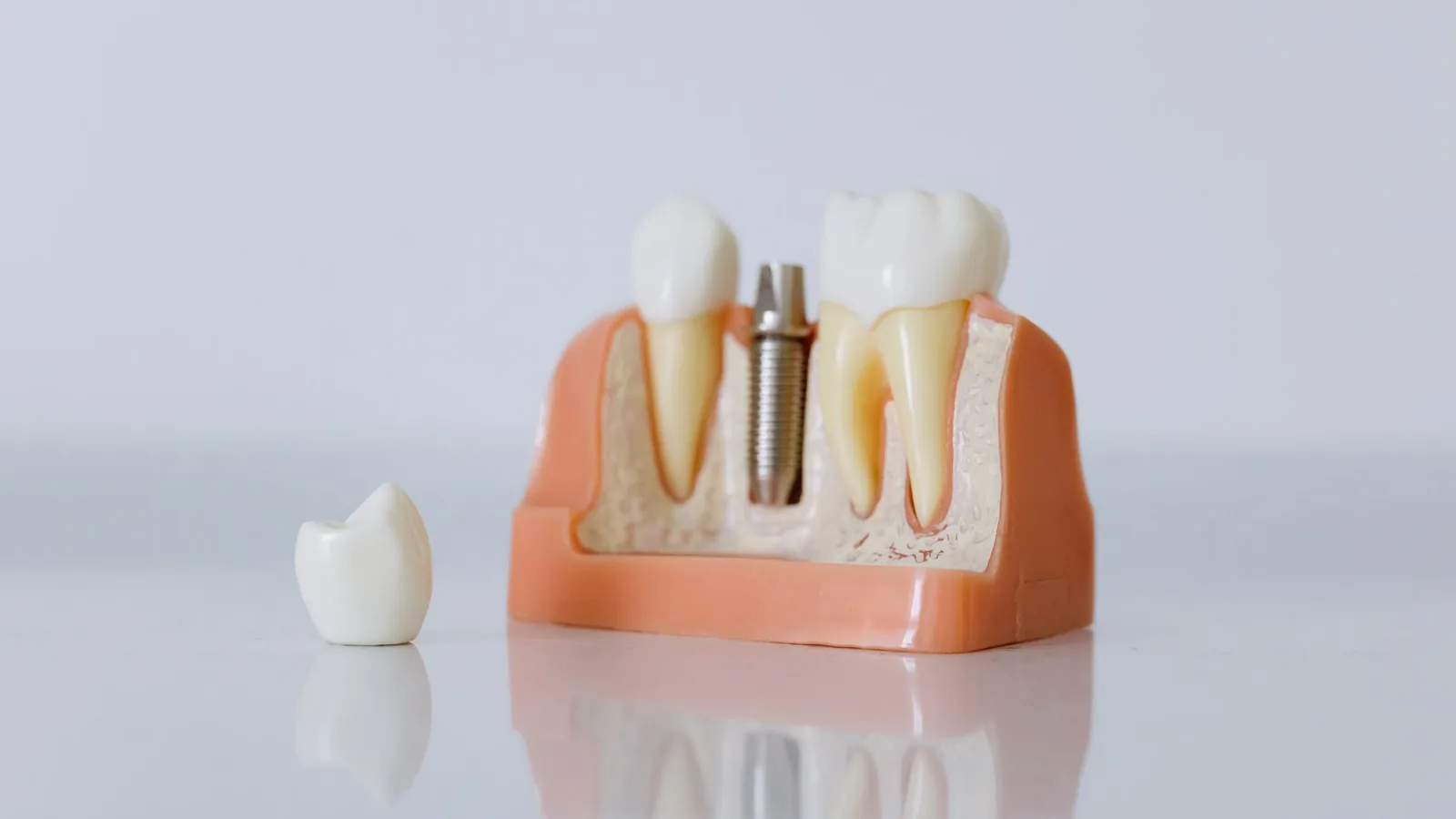
- Untreated abscess — extraction, then implant or bridge to replace the tooth, at many times the cost of the original filling
Every step down that list is more painful, more expensive, and less likely to save the tooth. Teeth do not heal themselves. Enamel and dentine have no capacity to regenerate once decay has broken through.
Step 4: What happens at the clinic
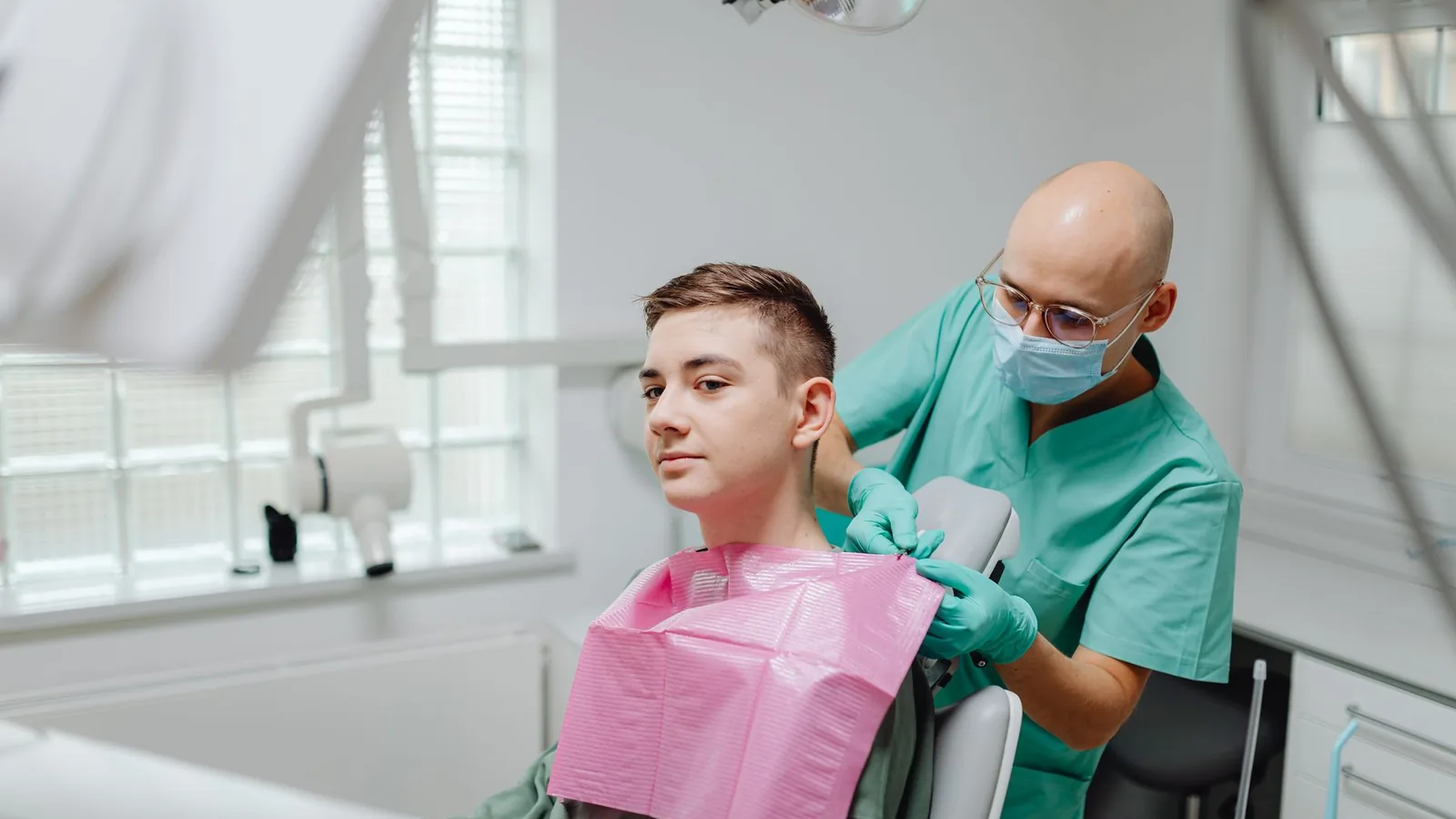
Knowing the process removes a lot of anxiety, which is often the real reason people delay.
- History and description — when it started, what triggers it, how it feels
- Clinical examination — visual check, gentle tapping to find the affected tooth, cold and bite testing
- X-ray — a periapical film shows decay under fillings and infection at the root tip that isn't visible any other way
- Diagnosis and options explained — with costs, before anything begins
- Getting you out of pain that same visit wherever possible
Effective local anaesthesia means the treatment itself is not painful. For most patients, the appointment is significantly less unpleasant than the night before it.
Depending on findings, treatment may be a filling, root canal therapy, drainage of an abscess, adjustment of a high filling, or — when the tooth can't be saved — extraction with a discussion of replacement options.
Don't spend another night like this
You don't have to wait it out, and waiting makes it worse.
Reedy Dental Clinic provides urgent, compassionate dental care across our Suez branches. We'll find the source of the pain, explain your options in plain language with clear costs, and get you comfortable — ideally in the same visit.
Call us now. The sooner we see it, the more likely we can save the tooth.
---
---