Nobody's ideal afternoon involves a dental chair. And when nothing hurts, a routine checkup is the single easiest thing in your calendar to postpone. Next month. After the holiday. When work calms down.
The problem is that dental disease is almost entirely silent in the stage where it's cheap and easy to fix. By the time a tooth hurts, you've missed the affordable window.
Here's specifically what those appointments catch, and why the six-month interval exists.
1. Removing tartar that no toothbrush can touch
Plaque is a soft, sticky biofilm of bacteria that forms on your teeth continuously — within hours of brushing. Brushing and flossing remove it while it's soft.
Whatever you miss doesn't stay soft. Minerals in your saliva harden it into calculus — what most people call tartar — typically within 24 to 72 hours. Once hardened, it is chemically bonded to the tooth surface. No toothbrush, no mouthwash, and no whitening toothpaste will remove it. It requires mechanical removal with ultrasonic and hand instruments.
Even excellent brushers accumulate some, particularly on the inside surfaces of the lower front teeth and around the upper back molars, where salivary glands sit.
This matters because tartar isn't just unsightly. Its rough, porous surface is a perfect habitat for more bacteria, sitting right at the gumline. That drives:
- Gingivitis — inflamed, red, bleeding gums. This stage is completely reversible with professional cleaning and improved home care.
- Periodontitis — if gingivitis continues, inflammation moves below the gumline and begins destroying the bone that holds your teeth in place. This stage is not reversible. Lost bone doesn't come back. It can be halted and managed, but not undone.
Periodontal disease — not decay — is the leading cause of tooth loss in adults. And its early stages are typically painless, which is exactly why it goes undetected without regular examination.
A note on a common misconception: bleeding gums when you brush are not normal. Healthy gums don't bleed. Bleeding is inflammation, and it's the earliest and most treatable warning sign you'll get.
2. Catching cavities while they're cheap
Tooth decay doesn't hurt when it starts. Enamel — the outer layer — has no nerve supply at all. A cavity can eat through it entirely without you feeling a thing.
Pain begins only when decay passes through enamel into dentine, which contains microscopic tubules connecting to the nerve. By the time you feel it, the cavity is well established.
This is why bitewing X-rays are part of a routine checkup. They reveal:
- Decay between teeth, where it's invisible to the eye and where flossing most often gets skipped
- Decay underneath existing fillings and crowns
- Bone level changes indicating early periodontal disease
- Infection at the root tips of teeth with no symptoms
- Impacted or problematic wisdom teeth
- Cysts and other pathology in the jaw
The cost difference is not marginal:
- Early enamel demineralisation — often reversible with fluoride treatment and better home care. No drilling.
- Small cavity — a filling. One short visit.
- Deep cavity into the pulp — root canal treatment plus a crown. Multiple visits, several times the cost.
- Abscessed tooth — root canal plus antibiotics, or extraction.
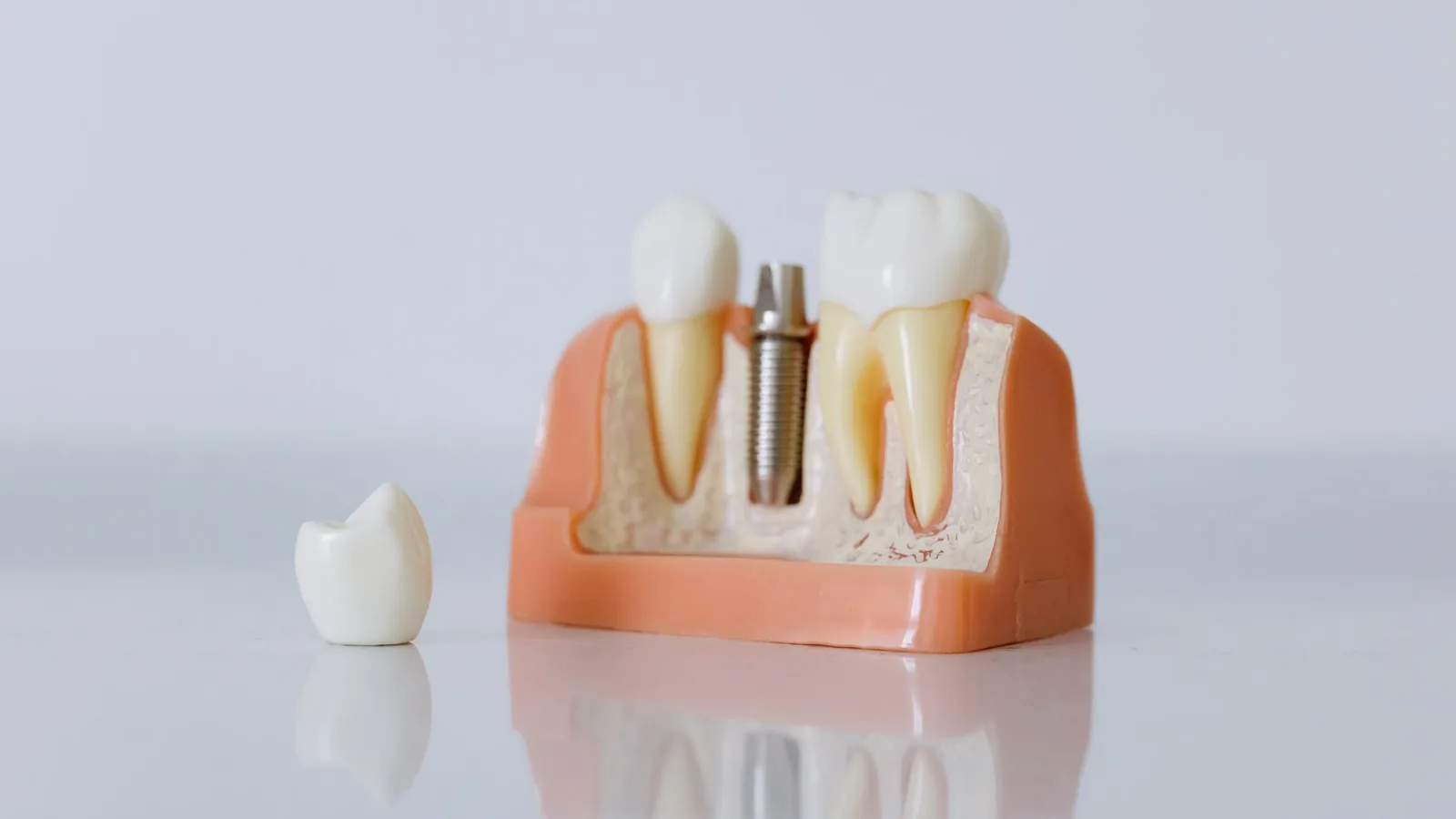
- Lost tooth — implant or bridge, at many times the cost of the filling that would have prevented it.
Every skipped checkup is a bet that nothing moved down that list in the meantime.
3. The screening that isn't about teeth at all
During a routine examination, your dentist checks your tongue, the floor of your mouth, your cheeks, palate, throat, and the lymph nodes in your neck.
That's an oral cancer screening, and it's usually happening without patients realising it.
Oral cancer detected early has dramatically better outcomes than oral cancer detected late — and it's frequently painless in its early stages. The signs are things most people would never notice or would dismiss: a persistent white or red patch, an ulcer that hasn't healed in two weeks, a lump, an unexplained rough area, numbness, or difficulty swallowing.
Because you see your dentist more regularly than most other health professionals, and because they look inside your mouth with proper lighting and a systematic method, dentists are often the first to spot something.
They also frequently spot other systemic signals: dry mouth pointing toward a medication issue, enamel erosion patterns consistent with acid reflux, wear facets indicating night-time grinding that will crack teeth over time, and gum changes associated with diabetes or hormonal shifts.
Anything unusual in your mouth that hasn't healed within two weeks should be examined. Not next year.
Does everyone need six months exactly?
Fair question. Six months is a widely used default, but risk-based intervals are increasingly the standard.
You may need more frequent visits (every 3–4 months) if you:
- Have a history of gum disease
- Smoke or use shisha
- Have diabetes
- Have a high-sugar diet or a history of frequent decay
- Are pregnant (hormonal changes increase gum inflammation)
- Have dry mouth from medication
- Wear braces or other orthodontic appliances
- Have implants, crowns, or extensive restorative work
You may be safely extended past six months if you have excellent oral hygiene, no history of decay or gum disease, no risk factors, and your dentist agrees.
Your dentist should tell you which category you're in and why. That's a personalised recall interval, and it's better medicine than a blanket rule.
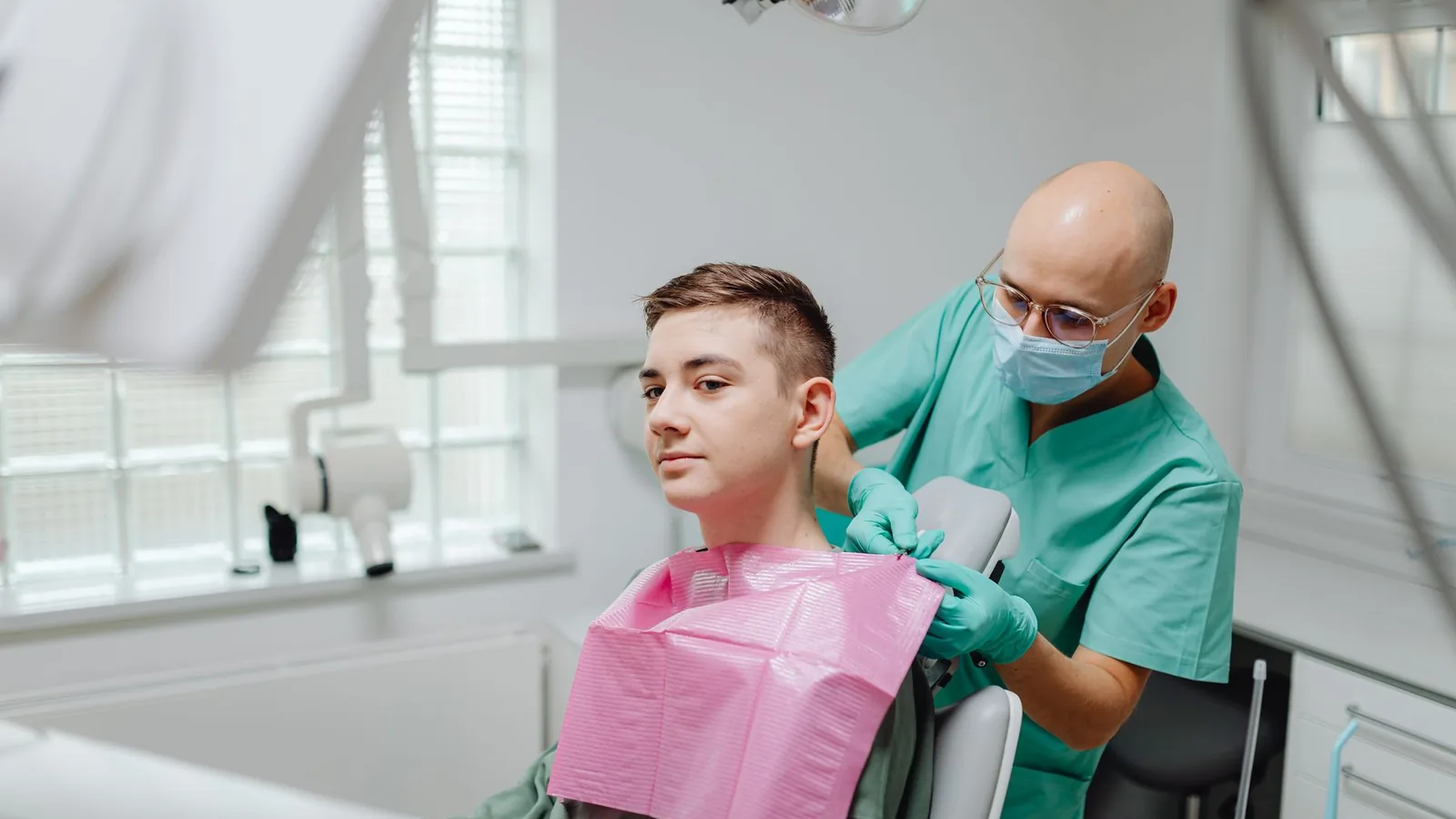
What actually happens in a checkup appointment
For anyone who's been away long enough to feel apprehensive about returning:
- Medical history update — medications and health changes affect your mouth more than people expect
- Extraoral and intraoral examination — head, neck, lymph nodes, soft tissues, then teeth
- Periodontal assessment — gum pocket depths measured and recorded to track changes over time
- X-rays, if indicated by your risk profile and time since the last set
- Scaling — ultrasonic and hand instruments remove tartar above and below the gumline
- Polishing — removes surface stain and smooths the tooth surface so plaque re-accumulates more slowly
- Findings and plan — what was found, what needs doing, and what it costs
The whole thing typically takes 30 to 60 minutes.
If you haven't been in years and you're embarrassed: please come anyway. Dentists genuinely do not judge — we see it constantly and every single one of us would far rather see you late than not at all. The embarrassment is costing you more than the appointment will.
Protect your health and your budget
It's the least expensive appointment you'll ever have at a dental clinic, and it's the one that prevents the expensive ones.
If it's been more than six months — or considerably longer — call Reedy Dental Clinic to book your checkup and cleaning at any of our Suez branches. No lectures, no judgment. Just an examination, a clean, and a clear picture of where you stand.
---
---